
Description
The Plant
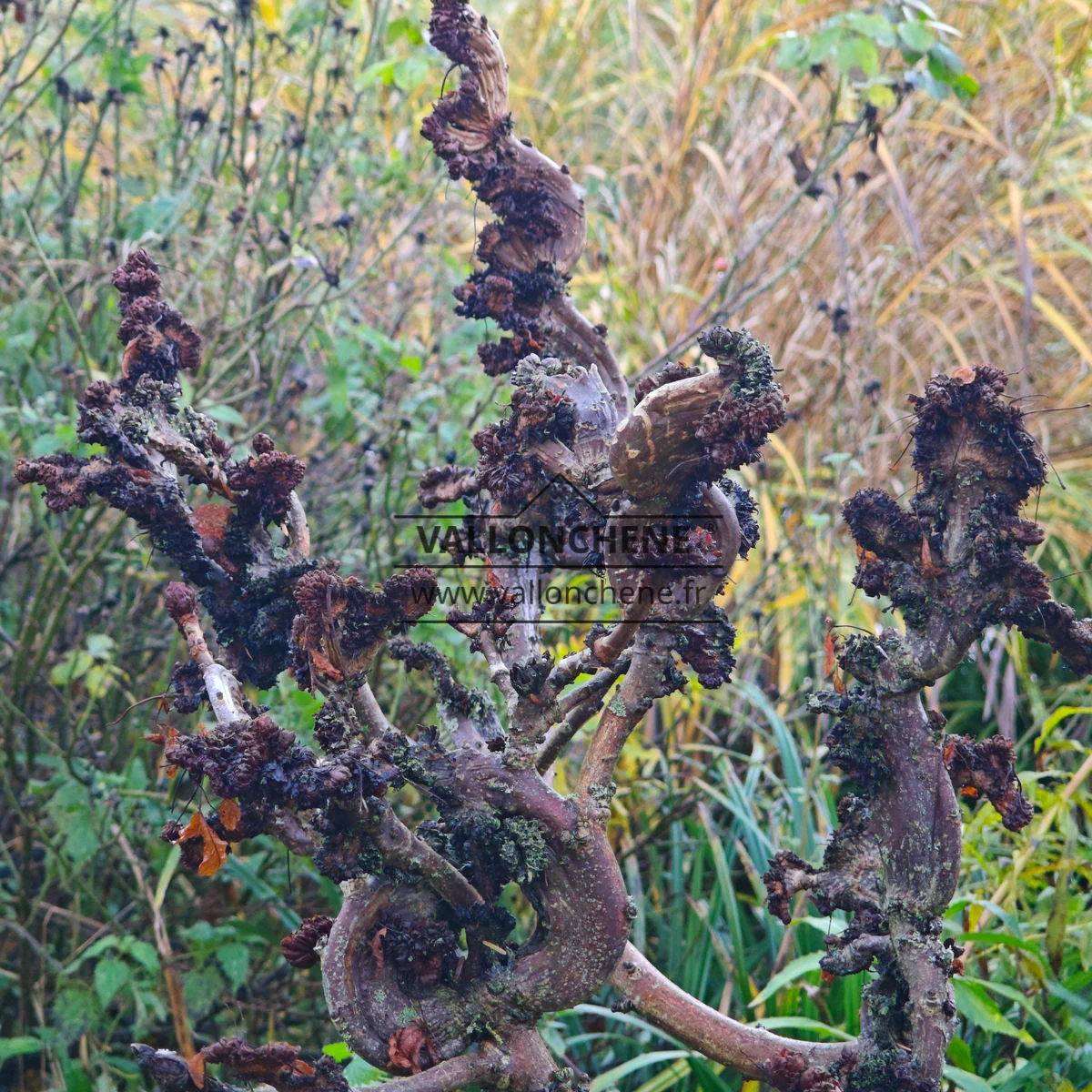
AESCULUS hippocastanum ‘Monstrosa’ is a member of the horse chestnut family. It is a tiny ornamental tree of singular beauty.
Furthermore, its compact habit and twisted branches featuring fasciations make it a striking architectural feature in any garden.
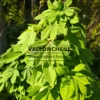
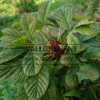
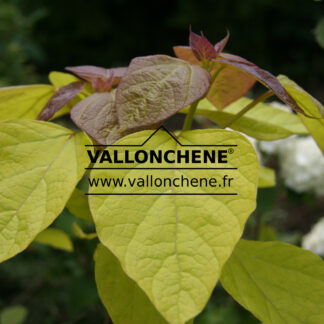
Its bright green deciduous foliage brings a touch of freshness in spring.
In addition, this variety boasts an extremely slow growth rate, making it ideal for small spaces. It certainly qualifies as a miniature tree.
Finally, this little wonder effortlessly withstands temperatures below -20°C.
To view all the AESCULUS currently available for sale, please click here.
Watch the video below and subscribe to our YouTube channel for free here:
How to plant and care for AESCULUS hippocastanum ‘Monstrosa’?
- Planting: Plant in full sun or partial shade. It thrives in pots or beds. The soil can be light, medium, or heavy. It tolerates moist, moderately moist, and dry soil (once established) with an acidic, neutral, or alkaline pH.
For planting instructions, please refer to our planting guide here. - Care: Water regularly during the first and second years after planting, until it is well established. Given its miniature size and very compact growth, no pruning is necessary. However, if you need to prune it, do so in March before new growth appears.
Also read our tips on how to water efficiently and save water here.
History and Origin
The use of common names shows all its pitfalls here. Indeed, AESCULUS hippocastanum is commonly called “Horse Chestnut” (or “Marronnier d’Inde” in French). However, this plant originates from Europe, specifically the Balkans. Research has shown that horse chestnuts native to India belong to a different species.
In its natural habitat, botanical experts consider this species vulnerable.
As for AESCULUS hippocastanum ‘Monstrosa’, it is one of the selections highly prized by collectors. Due to its miniature size, it is primarily planted in private gardens, whereas the straight species was often planted in public parks.
Finally, the bark, flowers, and chestnuts of this species are used in medicinal preparations.

 7/7 from 8am-8pm


 Ask for a photo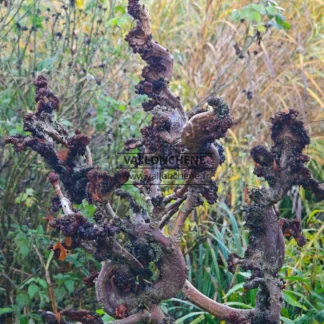
Reviews
There are no reviews yet.