
Description
The Plant
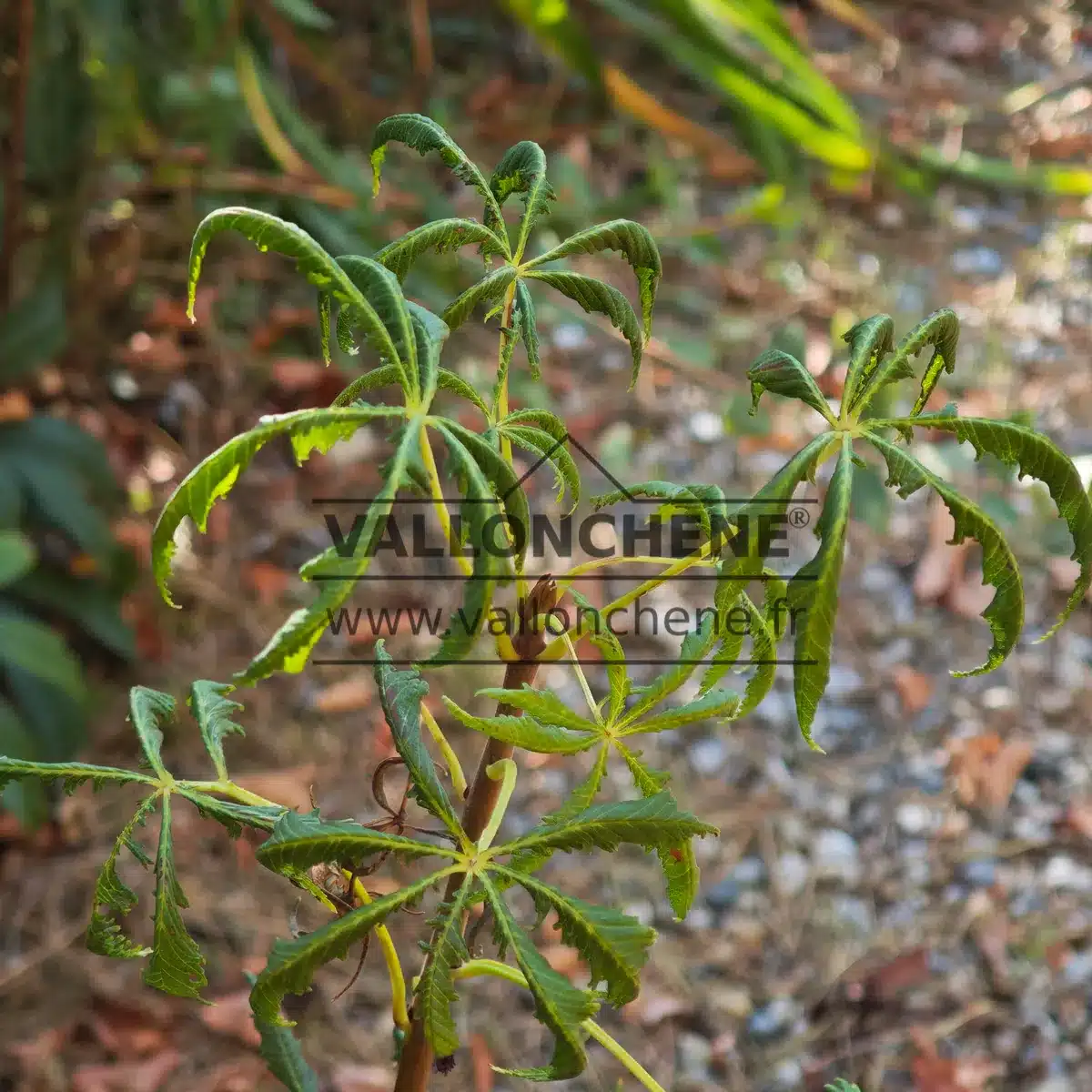
AESCULUS hippocastanum f. laciniata represents a rare and elegant form of the horse chestnut. Its foliage is finely laciniate and grows literally in strips with filaments. It remains on the tree much longer in autumn than that of the ordinary horse chestnut.
Moreover, its compact habit with drooping branches and significantly reduced growth compared to the typical species make it an ideal plant even for small gardens. It will not exceed 2 to 3 meters after about ten years. Thanks to its slow growth, it is also used for bonsai.
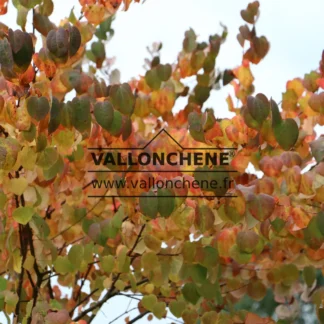
Finally, the laciniate horse chestnut does not produce fruit, but its foliage turns a beautiful golden yellow in autumn.
How to plant and care for AESCULUS hippocastanum f. laciniata?
The planting
The laciniate horse chestnut is a hardy plant and generally easy to grow. Nevertheless, follow our recommendations below:
- Choose a location in full sun or partial shade, whether in a border, as a specimen plant, or in a container or pot.
- Prefer a moist, moderately moist or dry location.
- The soil should be light, normal or heavy with an acidic, neutral or calcareous pH.
- For proper preparation of the planting hole, we have designed
specific instructions available here
.
Caring
As with any newly planted specimen, ensure regular watering during dry periods for the first two years. Furthermore,
discover here how to water your garden and save water
.
If you wish to prune, do so in February or March, but before new growth begins.
History and Origin
AESCULUS hippocastanum f. laciniata was discovered in France in 1843 by A & L. Leroy in Angers and remains a botanical curiosity highly prized by collectors and connoisseurs.
Horse chestnut is endemic to France and Europe. Fossils discovered show that this species was present in Europe between 5 and 2.5 million years ago.

 7/7 from 8am-8pm


 Ask for a photo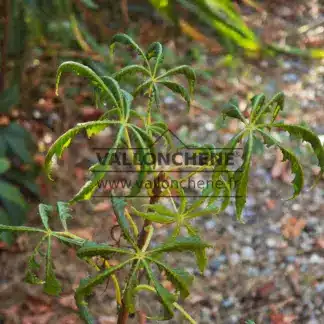
Reviews
There are no reviews yet.