
Description
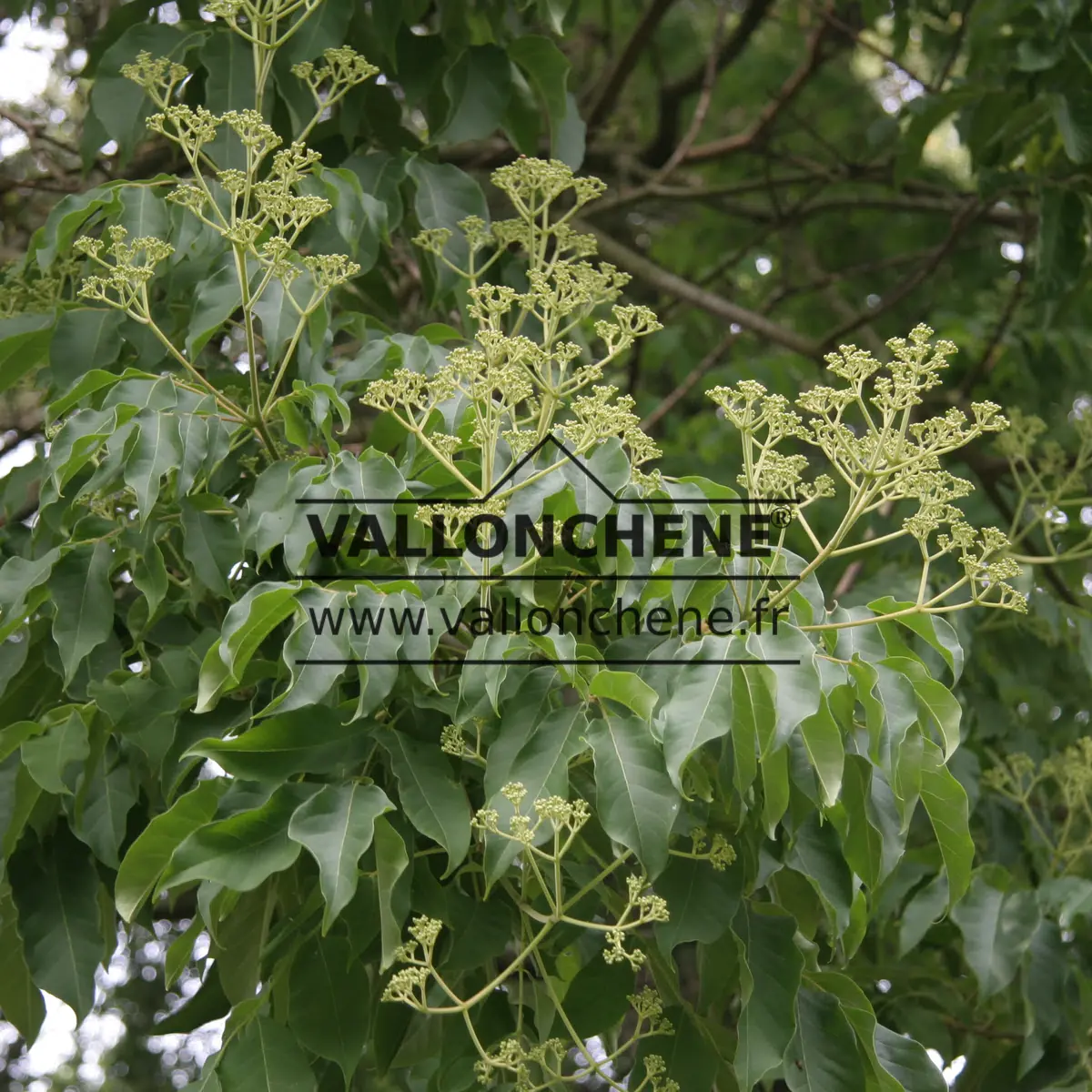
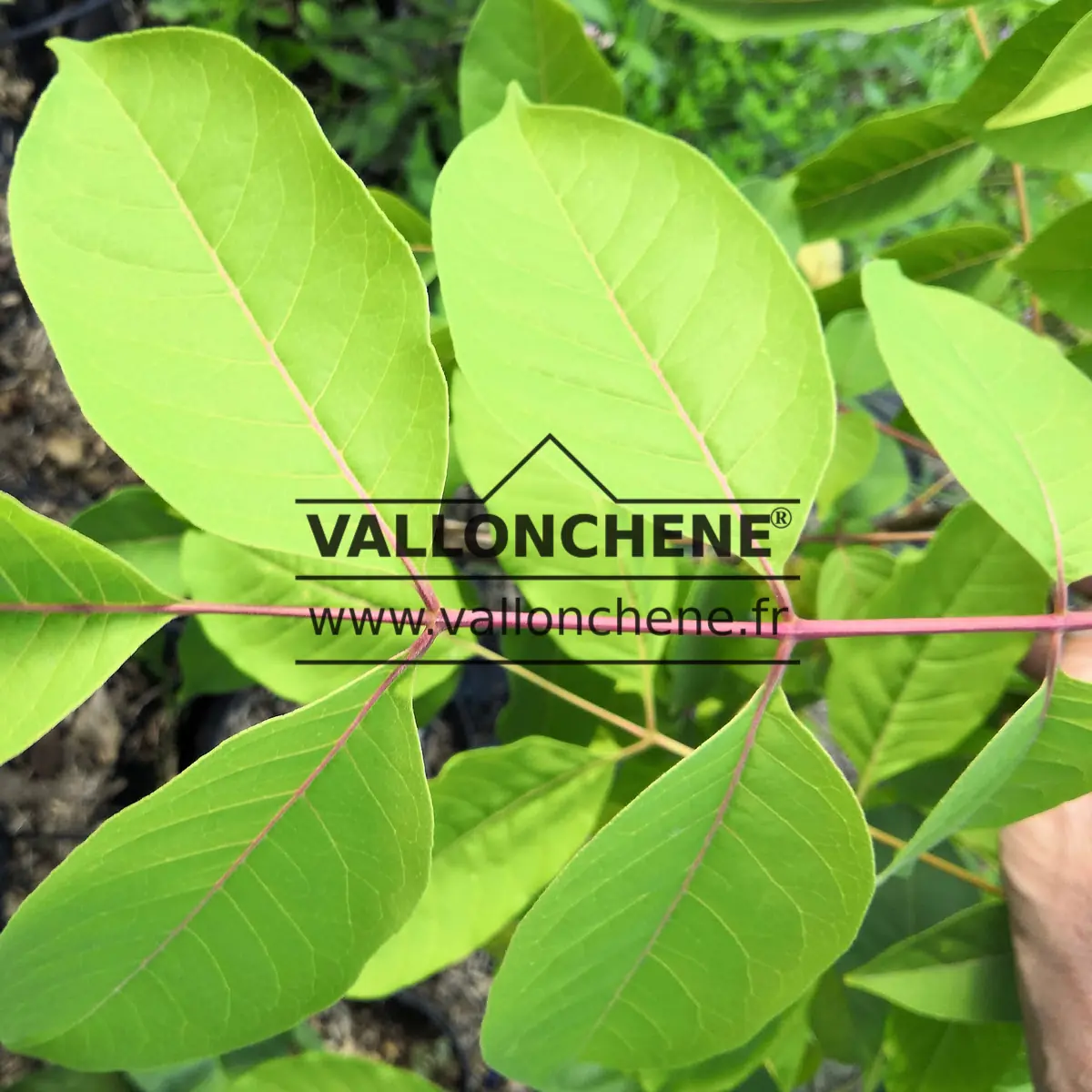
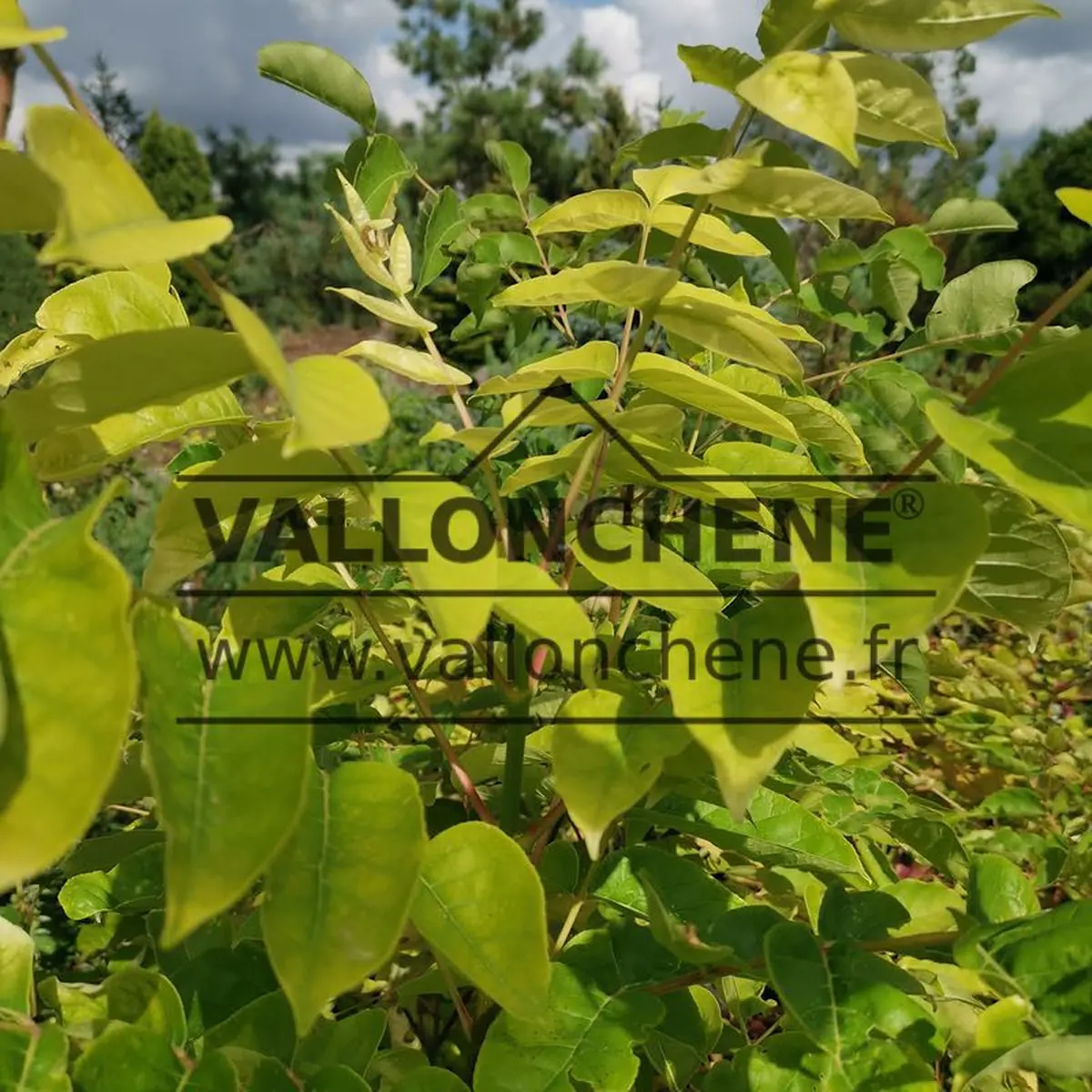
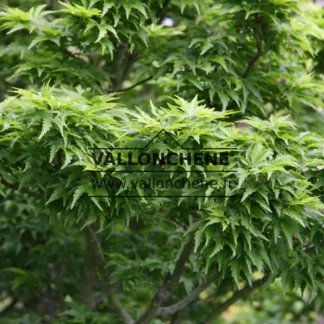
TETRADIUM daniellii (formerly called EVODIA daniellii or EUODIA daniellii) is also known as bee-bee tree. Beekeepers greatly appreciate it as it represents an excellent food source for bees. This species is perfectly hardy while its fragrant foliage gives it a rather exotic appearance.
Its white flowers appear from June to August to diffuse their pleasant fragrance. Bees will thus be able to feast for several months.
Then, after flowering, red fruits develop to delight the birds.
If there is a tree to plant to help our friends, the bees and the birds, it is this one.
Finally, in autumn, its foliage usually bright green turns bright yellow.
How to plant TETRADIUM daniellii
The honey tree is easy to prune.
Plant it in full sun so that it develops a maximum of flowers.
It is not a demanding plant in terms of soil. It tolerates dry, moderately moist and even wet soil as well as any pH.
TETRADIUM daniellii withstands temperatures below −20° C.
Given climate change, this is a particularly interesting tree as it withstands drought well.
For good preparation of the pot or planting hole, we have designed specific instructions available here. Also read our tips on how to water well and save water here.
History and Origin
The honey tree originates from the temperate to tropical zone of East Asia.
Formerly also called EVODIA or EUODIA, the genus EVODIA is now limited to tropical species exclusively.
Species of TETRADIUM also represent a food source for butterflies.
The species daniellii was named after the British military doctor William Freeman Daniell.
The flowers of this tree produce one of the richest sugar nectars.
This species was first described by the British botanist John Joseph Bennett in 1862.

 7/7 from 8am-8pm


 Ask for a photo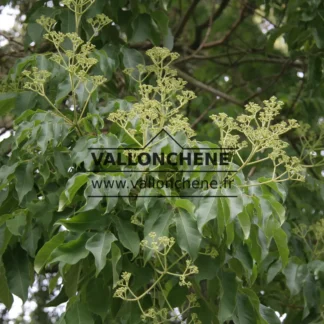
Reviews
There are no reviews yet.