
Description
The Plant
The SORBUS megalocarpa bears the common name whitebeam. Native to China, it is a rare small tree, 4 to 5 metres tall in the garden. Its growth is slow, and its rather rigid habit remains modest in size.
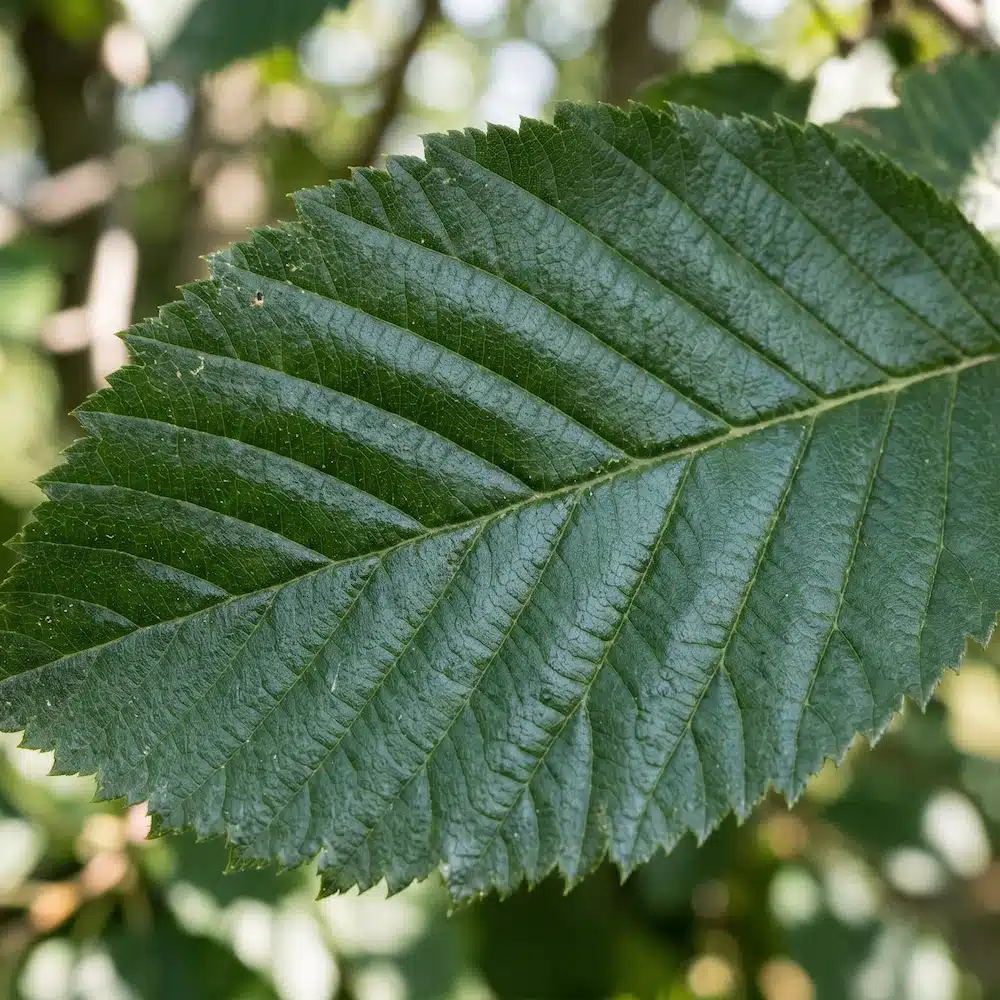
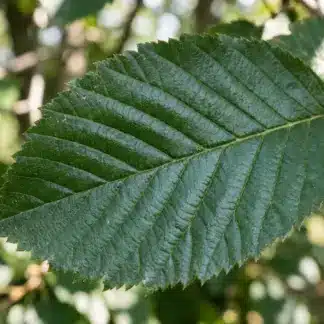
Its main asset reveals itself at leaf-out, from late February to March. The young growth unfolds in a reddish bronze that only slowly yields to green. The simple, deciduous leaves are equally remarkable. Each leaf measures 12 to 25 centimetres long by 6 to 8 wide. Its oval to obovate blade is covered in prominent veins, and its margin is finely toothed.
- Red winter buds of an unusual size (up to 2 centimetres)
- Cream-coloured flowers with a strong fragrance, opening with the foliage
- Oval fruits 2 to 3 centimetres long, very large for a whitebeam, a dull brown mottled with red
- Total hardiness: it tolerates winter temperatures below -20 °C (RHS H7 rating)
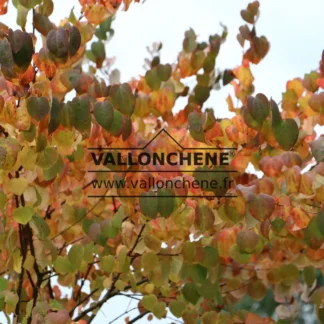
In spring, the cream flowers nestle in a halo of bronze young leaves, and their fragrance is strong. Then, in summer, the foliage takes on a deep, glossy green. In autumn, it turns red. The fruits, borne by the dozens in loose corymbs, adorn the tree in their mottled brown. So the whitebeam is never lacking in interest through the seasons.
The history of SORBUS megalocarpa
This tree is native to southern China and south-eastern Tibet. The plant hunter Ernest Wilson discovered it in September 1908, near Muping in Sichuan. He then noted it growing in other areas, at 1,200 metres altitude.
The species was described in 1915 by the botanist Alfred Rehder. The epithet megalocarpa, from Greek, means ‘large-fruited’. After its introduction, two fine specimens of SORBUS megalocarpa grew at the Spetchley estate in Worcestershire. Many plants in cultivation descend from them, so the tree remains rare in gardens.
You will also meet it under the name WILSONARIA megalocarpa: it is the same plant.
Planting and care of SORBUS megalocarpa
It is a hardy tree, simple to grow.
Planting
- A sunny or part-shade spot.
- Effective shelter from strong winds.
- A fertile, well-drained soil; it will make do with most ground.
Leaf-out takes place from late February to March, and the young growth is then vulnerable to late frosts. That is why the choice of site is decisive. For good preparation of the planting hole, see our instructions for planting and caring for trees, shrubs and conifers.
Care
SORBUS megalocarpa should benefit from regular watering for the first two years, especially during dry spells. Also read our tips on watering the garden properly and saving water. In winter, watering stops: the plant needs no water at all during the cold season.
It requires no maintenance pruning.
Tip
If your garden is exposed to late frosts, the best protection is a sheltered, well-lit site. That is where the young growth of the whitebeam develops undamaged. Planted as a specimen, it shows off its fruits and its autumn foliage, and makes a fine collection tree.

 7/7 from 8am-8pm


 Ask for a photo
Reviews
There are no reviews yet.