
Description
The Plant
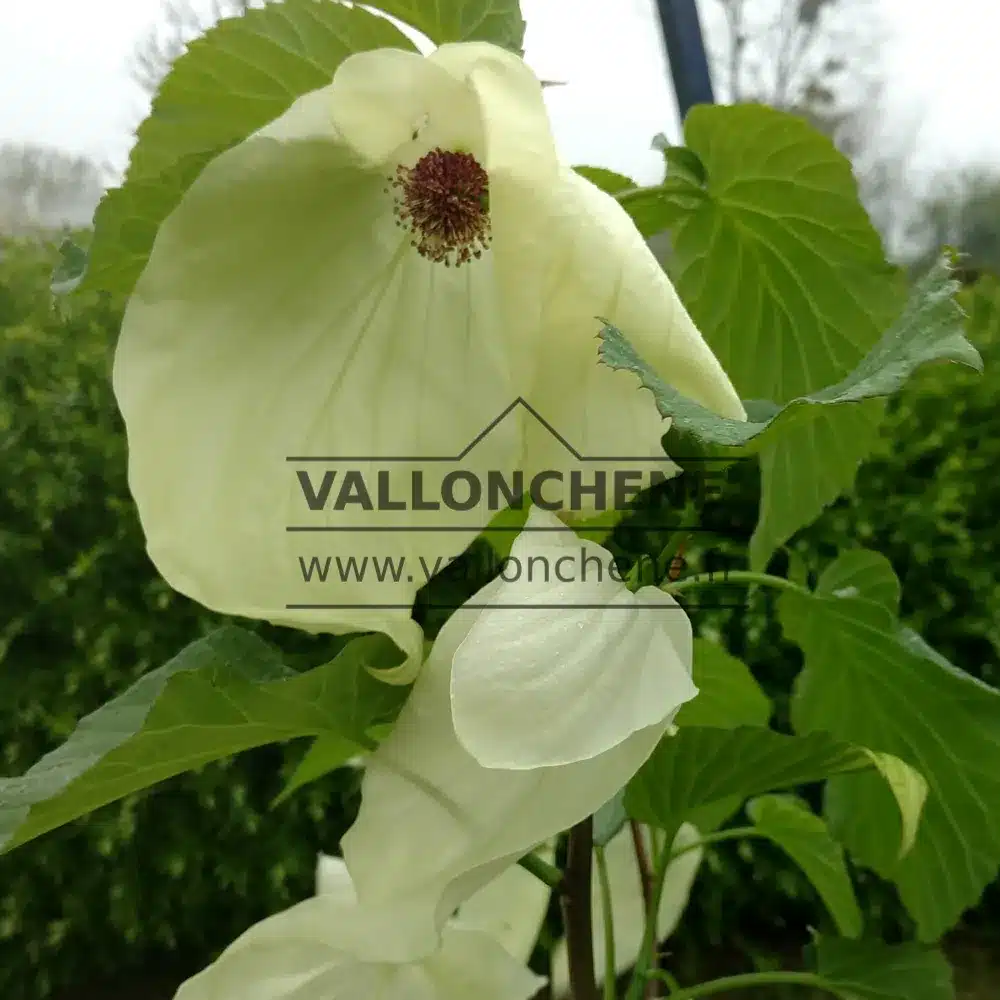
DAVIDIA involucrata ‘Sonoma’ is a very rare and fairly recent form of the handkerchief tree. The flowers of this tree, whose bracts can reach 15 cm, look like handkerchiefs when they appear.
Then, unlike the classic DAVIDIA involucrata, this cultivar grows more slowly and develops its immaculate white flowers as early as the second or third year. Whereas the species type D. involucrata takes 15 to 20 years to bloom.
Moreover, its magnificent green leaves, fairly rounded and slightly crinkled, are deciduous and unique in the plant world. They turn an intense yellow and orange color in autumn.
Finally, its form is globular and harmonious. It is perfectly suited for solitary planting or in a group.
How to plant and care for DAVIDIA involucrata ‘Sonoma’?
The Planting
Consider the following points for optimal growth of D. involucrata ‘Sonoma’:
- Plant it in a location in full sun or partial shade, either as a solitary specimen or in a group.
- Avoid drafts or strong exposure to winter winds.
- The location should be cool to moist, medium or dry with light, normal or heavy soil.
- It tolerates acidic, neutral, and calcareous pH.
- For proper preparation of the planting hole, we have designed specific instructions available here.
Caring
As with any freshly planted plant, ensure regular watering during dry periods in the first two years to guarantee good establishment. Also read our tips on how to water properly and save water here.
This handkerchief tree does not require any pruning. However, if you need to do it, do so in February before the appearance of new shoots.
History and Origin
DAVIDIA involucrata ‘Sonoma’ comes from California where it was obtained at the end of the 20th century. Clearly, it was selected for its remarkable ability to flower at such a young age. The name of the cultivar Sonoma refers to Sonoma County in California, its first place of introduction and propagation.
The species type DAVIDIA involucrata was first described in 1869 by Father Armand David (French naturalist and missionary). He found it in central China. Later, Father Farges distributed seeds, thus helping its spread in European botanical gardens.
Moreover, it is the only living species of its genus with fossils found dating from the Upper Cretaceous.

 7/7 from 8am-8pm


 Ask for a photo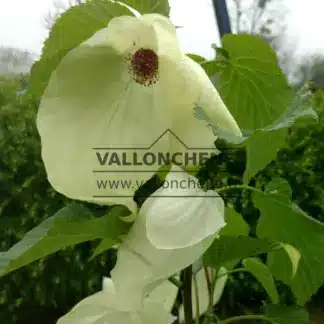
Reviews
There are no reviews yet.