
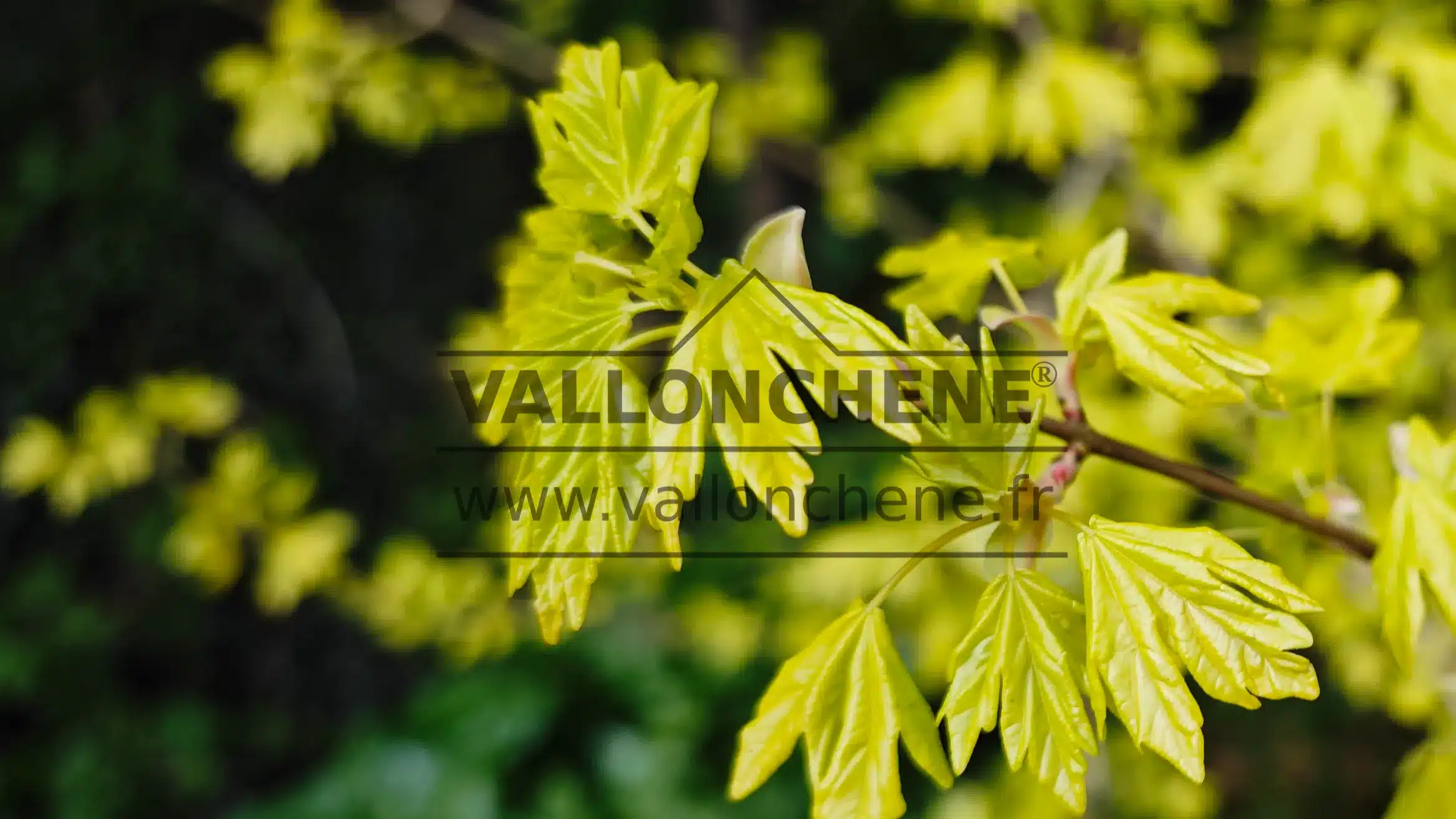
In the height of summer, with the sun shining brightly, you might expect the garden to be bursting with vigor. Yet, as you have probably noticed, in July and August, the growth of many trees, shrubs, and plants seems completely frozen. Young shoots stop growing, and buds lock up.
Don’t panic! Your garden is not dying: it is simply taking its summer nap.
Let’s take a look behind the scenes at what is happening in nature’s great laboratory.
Estivation: The Survival Strategy Against Heat
Everyone knows about hibernation, the deep sleep that certain animals and plants share to get through the winter frost. But did you know there is a summer equivalent? This is called estivation, or summer dormancy.
For a plant, growing requires colossal energy and, above all, an astronomical amount of water. When the thermometer rises and rainfall becomes scarce, the tree must make a choice: continue to grow at the risk of dehydrating, or shut down the machinery to preserve its life. The choice is easily made.
The Secret Mechanism of Stomata
Under the leaves of your plants lie thousands of microscopic pores called stomata. Normally, they open to breathe and absorb carbon. However, by opening, they allow water to escape (this is transpiration).
During the intense heat of August, to avoid emptying themselves of water, plants seal their stomata. The direct consequence: sap circulation slows down, photosynthesis runs in slow motion, and growth stops. The plant enters ‘energy-saving’ mode.
Why This Break Is Excellent News for Your Plants
This visual stagnation sometimes worries gardeners, but it is actually vital. If a tree continued to produce tender, water-gorged young shoots in the middle of August, they would be instantly scorched by the sun or dried out by the hot wind.
By blocking its growth, the plant takes the opportunity to accomplish invisible but crucial work:
- Wood Lignification (Aoûtement): The shoots that grew in spring begin to harden, filling with lignin (the component of wood). This process allows the branch to resist future winter frosts.
- Root Development: If energy is no longer directed into the leaves, it is sometimes redirected to the deepest roots to seek out moisture wherever it hides.
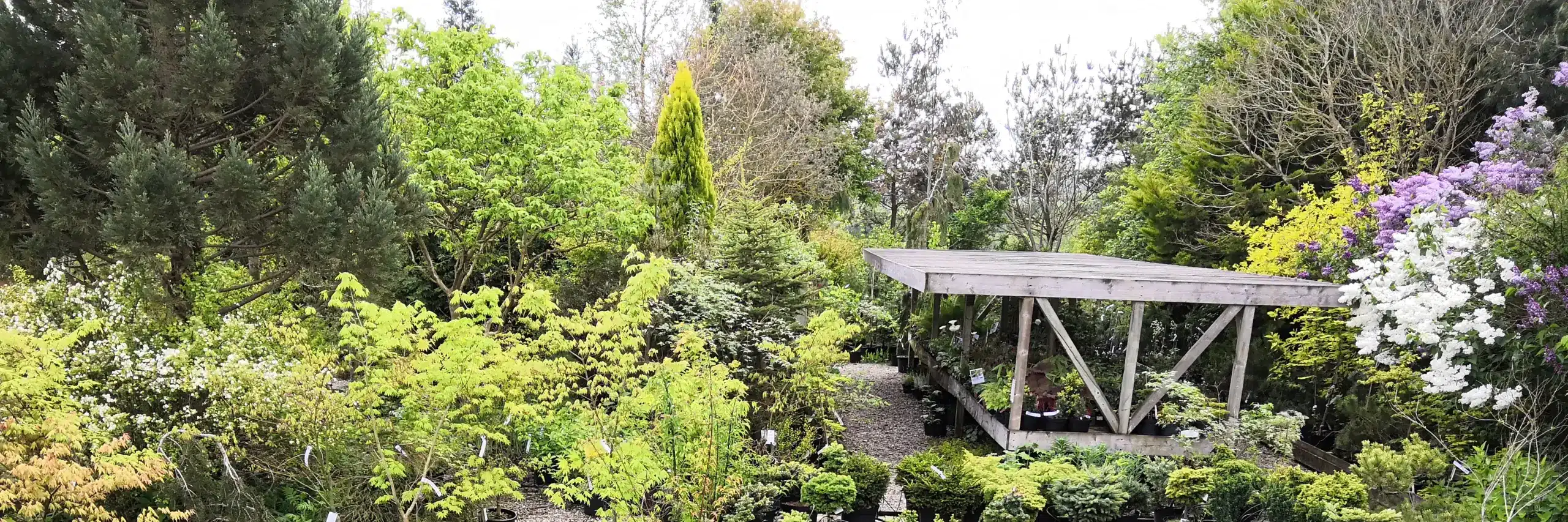
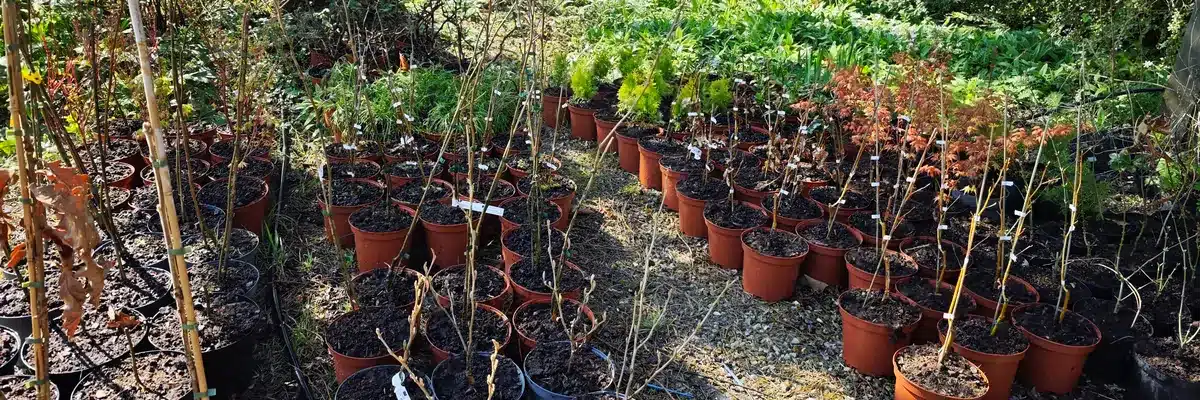
The Vallonchêne Nursery in spring
💡 Did you know? The trap of greenhouse plants raised ‘on life support’
This hardening phenomenon explains why plants from intensive greenhouse production often turn out to be so fragile once they arrive in your garden.
In the artificial environment of a greenhouse, protected from the wind and temperature fluctuations, and constantly kept on life support with liquid chemical fertilizers and scheduled watering, plants do not experience these natural cycles of stress and rest. Their tissues remain tender, heavily gorged with water, and their shoots never learn to harden off. Furthermore, having never been confronted with direct sunlight or drying drafts, they lack the reflex to regulate the closing of their stomata.
When they come out of their bubble to join the real soil of your garden, the shock is immense: the first real heatwave, or the first autumn or spring frost, is often fatal.
This is precisely why at the Vallonchêne nursery, we grow things differently:
- 100% Outdoor Cultivation: Raised in the open air, subjected to the whims of the weather, the wind, and real sunlight, our plants learn from a very young age to regulate their strength and stop their growth when nature demands it.
- ZERO Liquid Fertilizer: At Vallonchêne, we NEVER use liquid fertilizers that artificially boost plant tissue at the expense of their hardiness. We let the plant feed at its own pace.
- A Low-Peat Substrate: We strictly limit the use of peat in our potting soil mix. You can easily notice this by touch and handling: our pots are much heavier! This denser, more natural mix retains moisture better in the long term and provides a smooth transition when you replant into the real soil of your garden.
By accepting this natural and demanding rhythm, our plants develop unique cellular robustness and perfectly mature wood. When they arrive at your home, our trees and shrubs are already armed to face real garden life.
Good Habits for the Gardener in August: Do Nothing (or Almost Nothing)!
Since your plants are resting, you should do the same! It’s the perfect time to kick back and adapt your routine:
- No Fertilizer: This is the most common mistake. Seeing that the plant is no longer growing, one is tempted to give it a ‘boost’. This is a very bad idea. Fertilizer would force the plant to restart its growth when it does not have the water resources, which would exhaust it or burn its roots.
- No Severe Pruning: Pruning stimulates new growth. In August, these young leaves would not have time to harden off before winter and would weaken the plant.
- Keep It Cool: Simply monitor your watering (as explained in our dedicated article) and check that your mulch is thick enough to protect the soil from direct sunlight.
A Word from Vallonchêne:
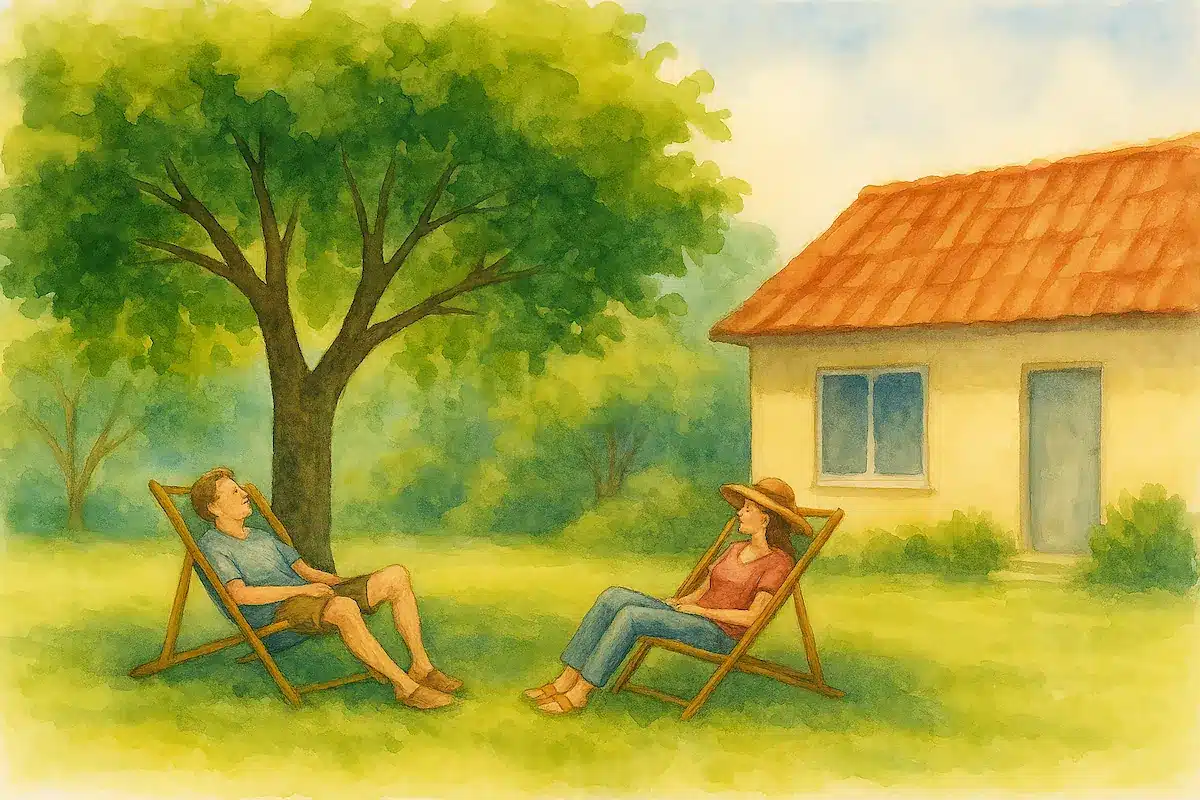
The garden in August is not lazy; it is simply wise. It knows that to last for decades—just like the exceptional trees we love to help you discover every week—you have to know when to stop. So, set up your deckchair in the shade of a large tree, enjoy the freshness of its foliage, and let nature take its nap in complete serenity!

 7/7 from 8am-8pm


 Ask for a photo