
Description
The Plant
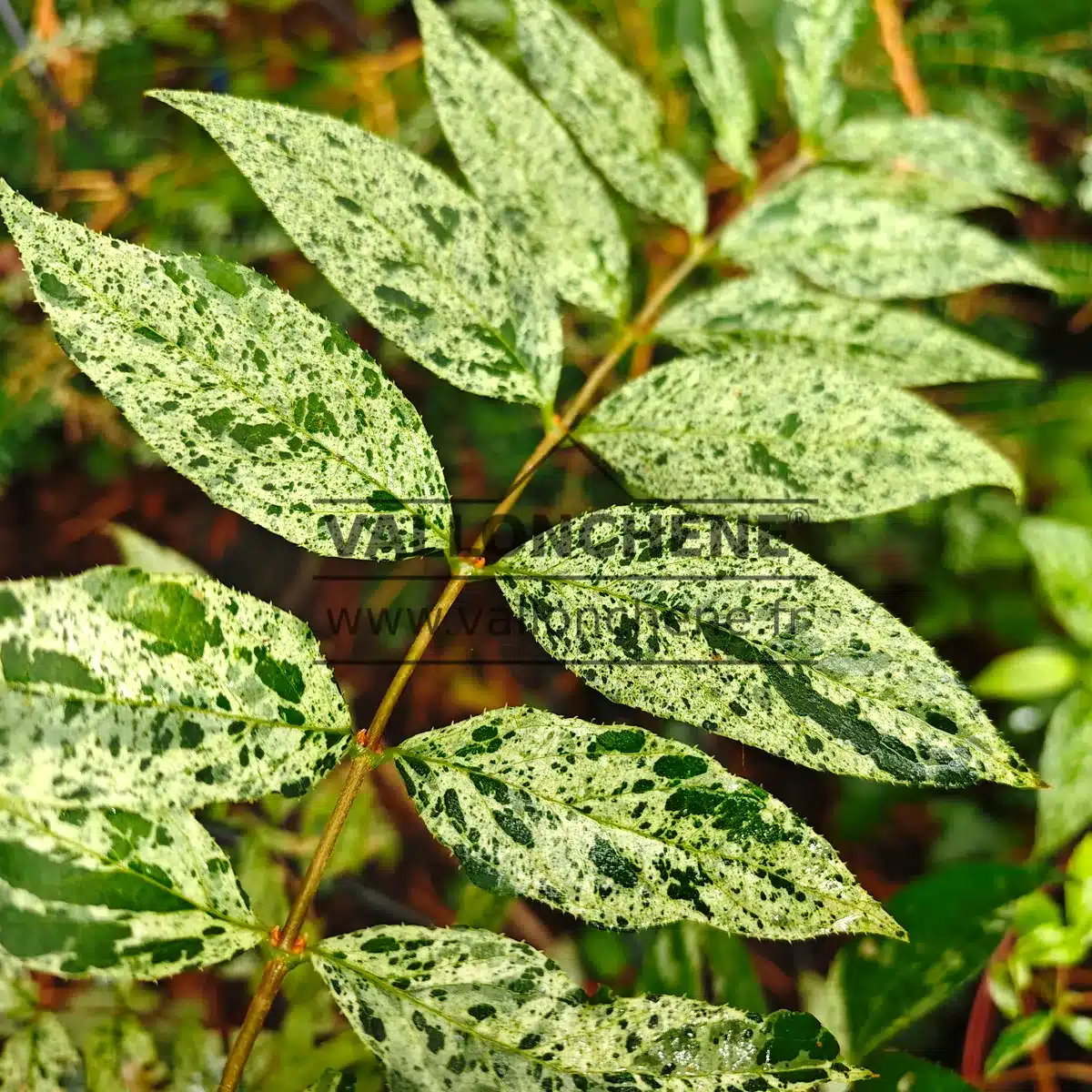
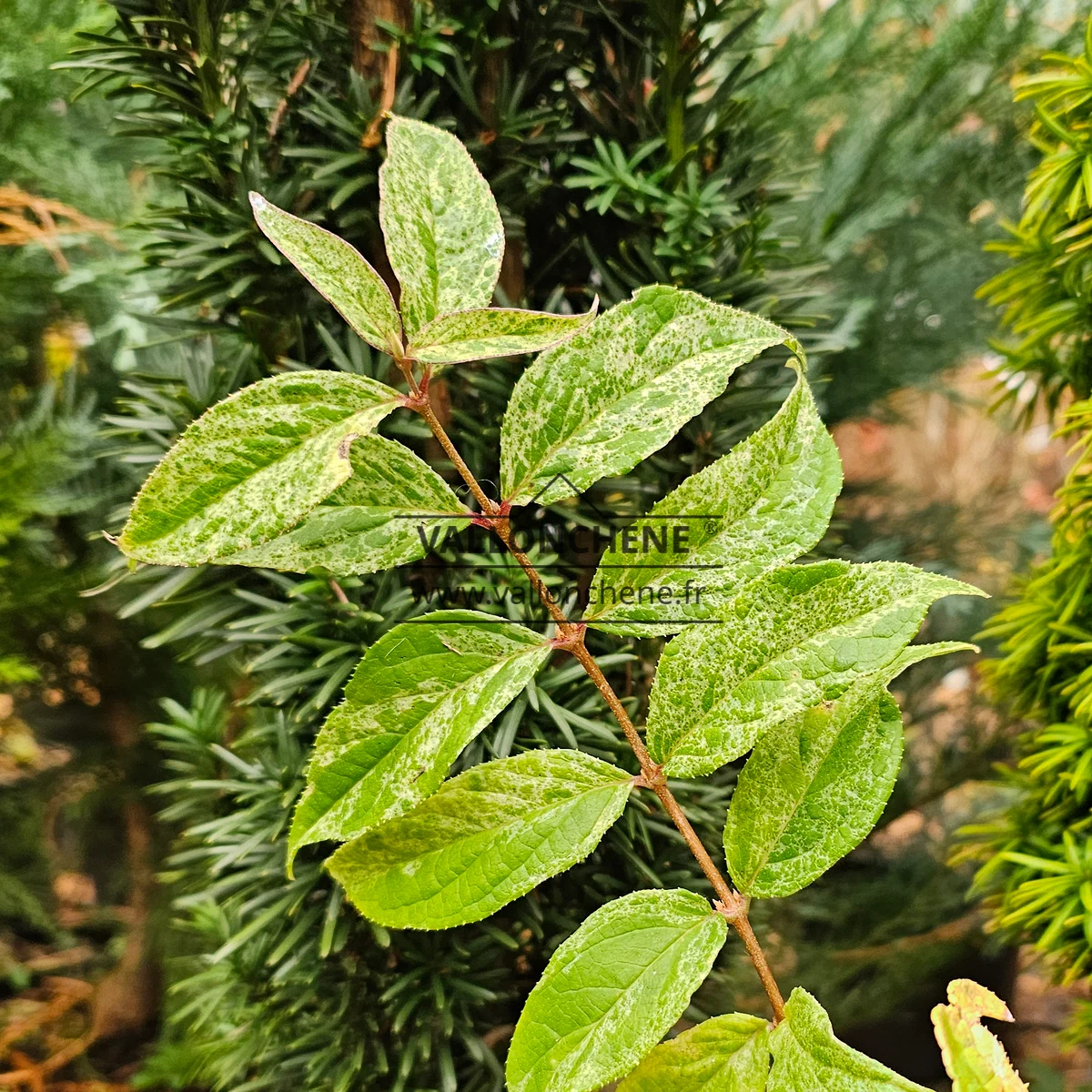
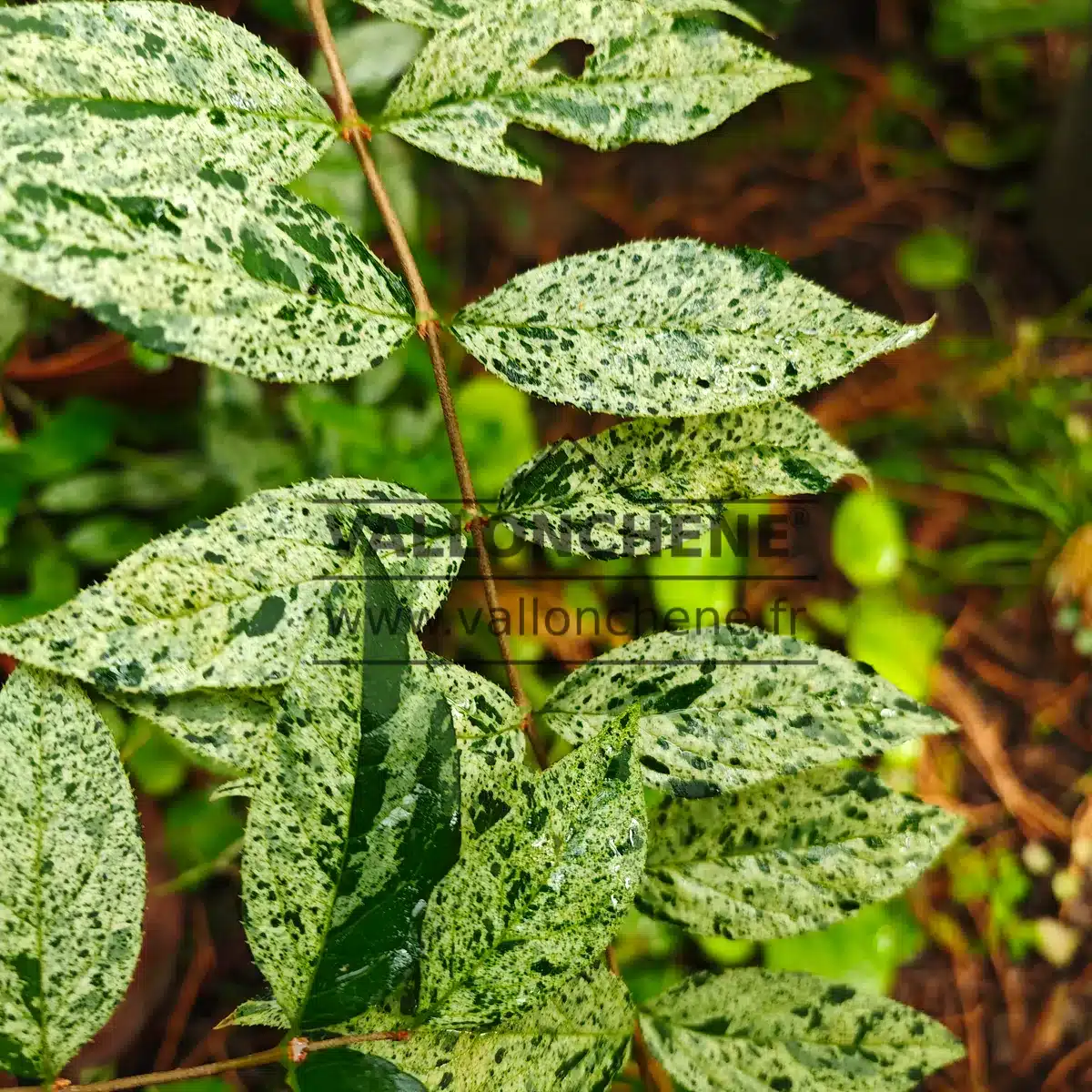
DEUTZIA scabra ‘Punctata’ is a rough deutzia that develops magnificent white leaves speckled with green. The more you plant it in the shade, the more pronounced the variegation becomes. As such, it’s the ideal plant to brighten up the darker corners of the garden.
In addition, this small shrub will not exceed 1 to 1.5 meters in height.
At the end of spring and beginning of summer, it produces a multitude of slightly fragrant white flowers. They offer an interesting source of pollen for bees and pollinators, as flowers begin to become scarcer during this period.
How to plant and care for DEUTZIA scabra ‘Punctata’?
The planting
To successfully grow your DEUTZIA scabra ‘Punctata’, observe the following points:
- This rough deutzia prefers a spot in partial shade or even full shade. However, it can tolerate full sun as long as the soil remains slightly moist.
- The location can be moderately moist or dry. If it is dry, the plant must be placed in the shade.
- The soil can be light, normal or heavy with an acidic, neutral or calcareous pH.
- For proper preparation of the planting hole, we have designed specific instructions available here.
Caring
DEUTZIA scabra ‘Punctata’ is a very easy plant to care for. However, as with any newly planted specimen, make sure to water it during dry periods for the first two years. Furthermore, discover here how to water your garden and save water.
If you need to prune this shrub, do it in January or February before new growth begins.
History and Origin
The type species, DEUTZIA scabra, originates from Japan, particularly from regions such as Kanto and the islands of Kyushu and Shikoku.
It grows at the edge of forests, on rocky terrain, embankments, or even on stone walls. This ability to adapt to various environments makes it a robust plant, tolerant of environmental changes.
It has been introduced to China, Europe, and North America.
DEUTZIA scabra ‘Punctata’ is not a wild plant, but a horticultural selection probably developed in Europe. This plant is often used for its aesthetic qualities in floral art, thanks to its unique foliage and flowering. This cultivar remains relatively rare.

 7/7 from 8am-8pm


 Ask for a photo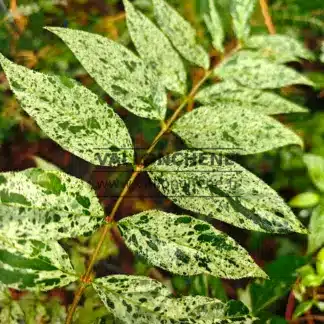
Reviews
There are no reviews yet.